
Float Therapy for Children: Supporting Emotional and Mental Development

Float therapy for children has recently become an increasingly popular treatment method. This therapy is designed to support children’s emotional and mental well-being, reduce stress, and help them achieve a calmer state of mind. It can be particularly beneficial for children struggling with hyperactivity, attention deficit, and restlessness.

Float therapy can positively impact children’s emotional and mental development. It helps reduce stress levels, ease restlessness, and generally promote a calmer and more balanced mood.

Additionally, float therapy can reduce children’s exposure to sensory stimuli. Today’s children are often subjected to intense sensory input, which can cause hypersensitivity and restlessness in some. Float therapy helps children detach from these overwhelming stimuli, supporting a calmer and more balanced state.

However, it is important to consult a specialist to determine whether float therapy is appropriate for a child. Each child’s needs are different, and while some may benefit greatly from float therapy, it may not be suitable for others. A professional can assess your child’s individual needs and recommend the most appropriate treatment options.
Learn More

Float Therapy for Claustrophobic Individuals: Deep Relaxation and Mental Freedom

Claustrophobia refers to an excessive fear or anxiety of tight spaces or enclosed areas. This condition can negatively impact a person’s daily life and cause various physical and mental symptoms. For claustrophobic individuals, being in confined or enclosed spaces can trigger intense feelings of anxiety and panic.

However, there is a promising solution for individuals with claustrophobia: Float Therapy.

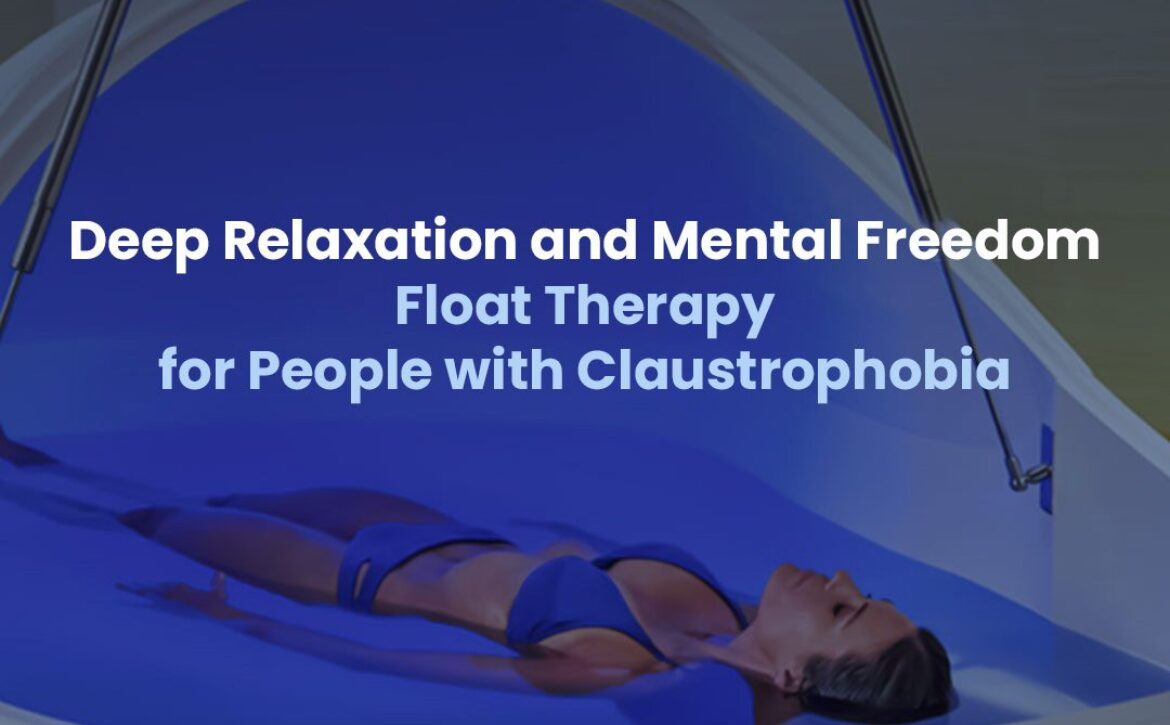
Float therapy offers claustrophobic individuals a spacious and open environment in which they can relax and find peace. This therapy takes place inside high-tech sensory deprivation tanks, positioning the person to float on the water’s surface comfortably.

So, how do claustrophobic individuals experience float therapy? Initially, they may feel some anxiety. However, once inside the tank and floating on the water, they gradually notice their anxiety diminishing. The spacious and dark environment inside the tank becomes a point of relaxation for claustrophobic individuals, as it allows them to detach from the outside world and mentally unwind.

During float therapy, claustrophobic individuals’ breathing is regulated, and their minds enter a meditative state. With the gentle pressure of the water, their bodies float in a weightless state, often leading to a deep sense of relaxation. Over time, they find an opportunity to overcome their fear of confined spaces and achieve mental freedom.

Float therapy can also help claustrophobic individuals learn to control their bodies and minds. This therapy reduces the stress and anxiety caused by claustrophobia while providing mental clarity and calmness, assisting in managing claustrophobic symptoms.

In conclusion, float therapy can help claustrophobic individuals cope with their fear of confined spaces and experience profound relaxation. This therapy supports both physical and mental well-being while reducing the fear and anxiety caused by claustrophobia. Float therapy can bring positive change and improvement to the lives of claustrophobic individuals.

Learn More

Float Therapy: A Natural Solution for Mental and Physical Relaxation

In today’s fast paced world, work stress, the noise of city life, and minds constantly exposed to external stimuli can sometimes lead to fatigue and difficulty concentrating. While many methods exist to cope with such challenges, seeking a natural and holistic approach can be effective for maintaining mental and emotional balance. This is where Float Therapy comes into play.

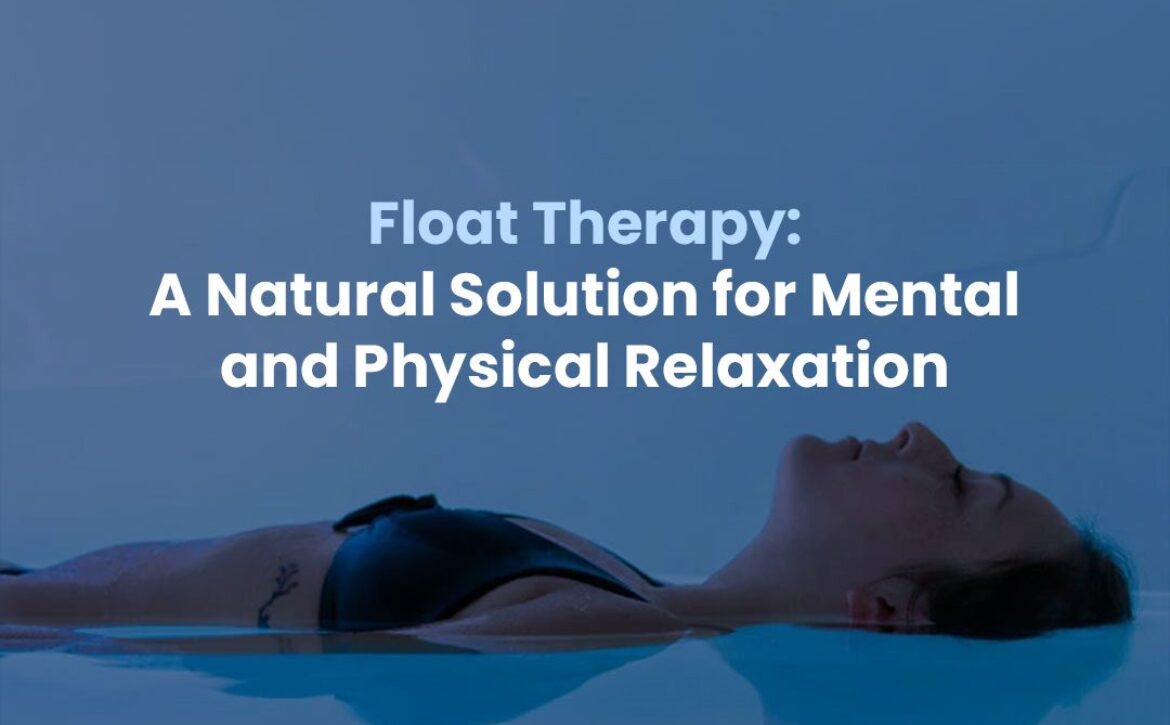
Float Therapy has become increasingly popular in recent years as a method to combat the mental and physical stress of modern life. The therapy involves quietly floating in specially designed, high tech sensory deprivation tanks filled with water enriched with Epsom salt. These tanks completely block external stimuli, allowing the individual to experience zero-gravity conditions. In this environment, as the body floats, both body and mind have the opportunity to rest and rejuvenate fully.

The positive effects of Float Therapy on mental health include relieving mental fatigue and reducing distraction. The buoyancy of the water eliminates the sensation of body weight, helping the muscles and joints relax. Additionally, the quiet and dark environment reduces unnecessary thoughts in the brain and contributes to mental clarity.

Float Therapy also provides benefits for physical health. The Epsom salt in the water nourishes and cleanses the skin while helping muscles relax. This not only soothes the body but can also stimulate metabolism. Regular sessions of this therapy can improve sleep quality, thereby enhancing overall health and vitality.

In conclusion, Float Therapy can be an excellent natural solution for coping with the stress and pressures of modern life. It deeply relaxes the mind and body, reduces stress, and restores both mental and physical balance. Regular practice of this therapy can help you move toward a calmer, more focused, and healthier lifestyle.

Learn More

A Natural Escape for Migraines and Headaches: Float Therapy

Headaches are a common complaint that can negatively affect many people’s daily lives. Chronic types of headaches, such as migraines, can significantly reduce quality of life due to their frequent recurrence. While traditional treatments often focus on relieving pain, float therapy can be an important alternative for those seeking other therapeutic options.

In recent years, float therapy has become increasingly popular for alleviating migraines and headaches. This therapy takes place in specially designed sensory deprivation tanks, which remove all external stimuli from the body, placing the individual in a completely dark, quiet, and saltwater environment. In this setting, the density of the water allows the person to float lightly, giving the sensation of being in a zero-gravity environment.

How can float therapy help relieve migraines and headaches? Here are some possible mechanisms:

Muscle Relaxation: During float therapy, the body enters a complete state of rest and relaxation. Muscles loosen, and stress and tension decrease. This can reduce muscle tightness, which is often a trigger for migraines or headaches.

Stress Reduction: Float therapy provides deep relaxation and mental calmness. Reduced stress can help decrease the frequency and intensity of migraines and other headaches.

Improved Circulation: The buoyancy of the water and the surrounding environment can enhance blood circulation, promoting recovery and potentially reducing the duration and severity of headaches.

Sensory Deprivation: The dark and quiet environment of the tank reduces stimuli to the brain, which can decrease pain signals and reduce the perception of pain.

Float therapy can be considered an alternative treatment for migraines and headaches. However, it may not be effective for everyone and is recommended to be used alongside other treatment methods. Individuals who experience frequent headaches should consult a healthcare professional before trying this therapy.

For more information about float therapy and to share your experiences, feel free to contact us. We wish you healthy and pain-free days!

Learn More

EMMA WATSON – ACTRESS AND ACTIVIST

Emma Watson is a globally recognized British actress and activist. She gained a wide fan base for her role as Hermione Granger in the Harry Potter series. Beyond acting, Watson has drawn media and public attention to issues such as human rights, gender equality, and sustainable fashion, establishing herself as both a performer and an activist. She also employs various methods to manage her busy schedule and stressful lifestyle.

One of the techniques Watson uses to cope with stress is float therapy. Float therapy involves relaxation and meditation in sensory deprivation tanks, where individuals float in warm, salt-enriched water in a weightless and silent environment. This technique allows the body to be free from gravity and the mind to rest completely.

Watson’s interest in float therapy likely stems from the need to manage stress associated with her demanding work schedule and constant presence in front of cameras. Through this method, she can feel physically and mentally relaxed and rejuvenated.

Float therapy is not only effective for celebrities but can also be used by anyone to improve quality of life. The quiet and peaceful environment offers an escape from the rush of daily life. Floating in warm, saltwater relieves muscle tension and reduces stress.

Many celebrities, like Watson, are known to choose float therapy. The technique not only provides physical relaxation but also supports mental and emotional balance. The deep relaxation and meditative experience offered by float therapy can be an effective solution for coping with the stress and pressures of modern life.

In conclusion, the interest of celebrities such as Emma Watson in float therapy demonstrates the effectiveness and benefits of this method. Float therapy can be a valuable tool for anyone looking to manage stress, maintain mental and emotional balance, and enhance overall quality of life.

Learn More

JEFF BRIDGES – OSCAR-WINNING ACTOR

Oscar-winning actor Jeff Bridges, known for his roles in The Big Lebowski, True Grit, Iron Man, and the Tron series, shared his experiences with sensory deprivation tanks during his appearance on The Tonight Show with Jimmy Fallon.

“You don’t really realize how much is going on inside — how much you think and how much is happening — until a moment comes when there’s nothing, and then you understand that everything comes from your mind, and then you notice…”

Over the years, Bridges has had many mentors, one of whom was John C. Lilly, the inventor of sensory deprivation tanks and the mind behind float therapy.

Bridges explains that when you are in warm, shallow water, you are often unaware of the thoughts occurring in your mind. By floating, anxiety and accumulated stress can be released. He notes that his anxiety stems from fear, and that fear can dissipate if you take the time to “step outside.”

Bridges’ experiences clearly illustrate how sensory deprivation tanks help individuals explore their inner worlds and achieve mental relaxation. In the gentle embrace of warm water, away from the outside world, people have the opportunity to dive into their inner selves and mentally rejuvenate. This experience can aid in reducing stress, alleviating anxiety, and achieving emotional balance.

Bridges’ insights emphasize that sensory deprivation tanks offer significant benefits not only for physical health but also for mental and emotional well-being. It is important for everyone to try this experience and dedicate time to finding inner peace and balance. Ultimately, Jeff Bridges’ experiences demonstrate that float tanks provide a unique tool for deep inner exploration and relaxation.

Learn More

JOE ROGAN – UFC FIGHTER, COMEDIAN, AND PODCAST HOST

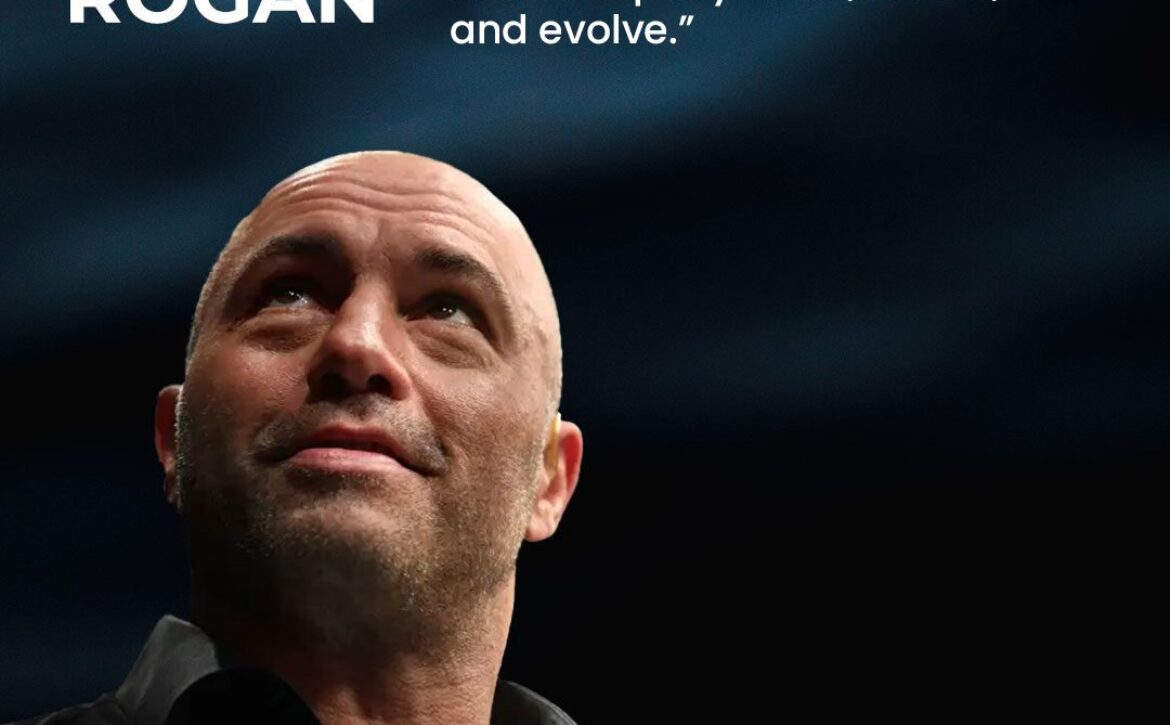
Float therapy stands out as a powerful tool that contributes to individuals’ mental and emotional development. Renowned comedian and podcast host Joe Rogan frequently emphasizes the critical role sensory deprivation tanks play in his mental exploration and personal evolution. Rogan shares his experience, stating, “The sensory deprivation tank has been the most important tool I’ve used to develop my mind, think, and evolve.”

These tanks are specially designed, filled with highly concentrated saltwater, and the water temperature is adjusted to match the human body. Rogan describes his experience inside the tank as, “It’s like the layers of an onion. When you first start using a sensory deprivation tank, you can only peel back a few layers because fully letting go is very difficult. But as you experience it and relax, you truly learn to let go.”

During float therapy, the mind often tends to delve into personal matters and deep contemplation. Rogan notes that he initially reflects on past mistakes, current challenges, and his positive traits. As the session continues, he explores deeper mental territories, contemplating the universe, human existence, and the bigger picture of life. In this process, he reaches pure thought, independent of bodily limitations.

Float therapy allows individuals to examine and develop their thoughts and emotions in depth. The experience occurs in a completely isolated environment, enabling full focus on the inner self. Rogan emphasizes that sensory deprivation tanks are a powerful tool for discovering one’s mental and emotional potential and describes the experience as something everyone should try.

In conclusion, float therapy offers people an opportunity for deep mental exploration and relaxation. It helps individuals uncover and develop their inner world, making them more mentally open and conscious.

Learn More

JULIAN EDELMAN – 3X SUPER BOWL CHAMPION

Professional athletes use various methods to maintain peak performance and prevent injuries. In recent years, many NFL players have turned to float therapy to enhance their performance and preserve their overall fitness. Renowned football players, such as Julian Edelman, have frequently highlighted the benefits of this therapy.

Edelman is a prominent advocate of float therapy, noting that he uses it three to four times a week throughout the season. He was not the only player in the New England Patriots locker room to believe in this therapy. Tom Brady, for instance, keeps a sensory deprivation tank at home to boost his performance and maintain peak condition despite advancing age. Chris Hogan also began using the tanks regularly after seeing Edelman and Brady endorse the therapy.

Edelman states that float therapy helps him feel more refreshed and reduces the risk of injury. He also emphasizes that it improves sleep quality and enhances mental focus. The therapy aids in reducing inflammation and promoting faster muscle recovery.

Athletes often use float therapy before and after important games. The relaxation and rejuvenation it provides contribute to improved performance. Edelman specifically notes its effectiveness in coping with sleep deprivation and stress.

Float therapy offers professional athletes not only physical recovery but also mental and emotional restoration. Through this therapy, players experience deeper sleep and better preparation for games.

In conclusion, float therapy is becoming increasingly popular among professional athletes. The numerous benefits it provides help enhance performance while maintaining overall health and fitness. The fact that successful athletes like Julian Edelman choose this therapy underscores the effectiveness of float therapy.

Learn More

JOHN LENNON – ARTIST, SONGWRITER, AND PEACE ACTIVIST

John Lennon was a legendary figure known not only for his music career but also for his peace activism. His passion for float therapy as a means to address substance addiction demonstrates his commitment to both mental and physical well-being. As described in Albert Goldman’s book The Lives of John Lennon, the tank he used for regular float sessions had a profound impact on him.

After discovering float therapy, Lennon embraced this new healthy lifestyle and began to view float therapy as a turning point for himself. During that time, he reported feeling both mentally and physically better than ever in his life. This marked an important step in his recovery from substance addiction, while also reflecting his journey of self-discovery and pursuit of inner peace.

John Lennon’s dedication to float therapy contributed not only to his physical health but also helped him achieve spiritual and emotional balance.

Learn More

ANTHONY BOURDAIN – AUTHOR, CHEF, TRAVELER

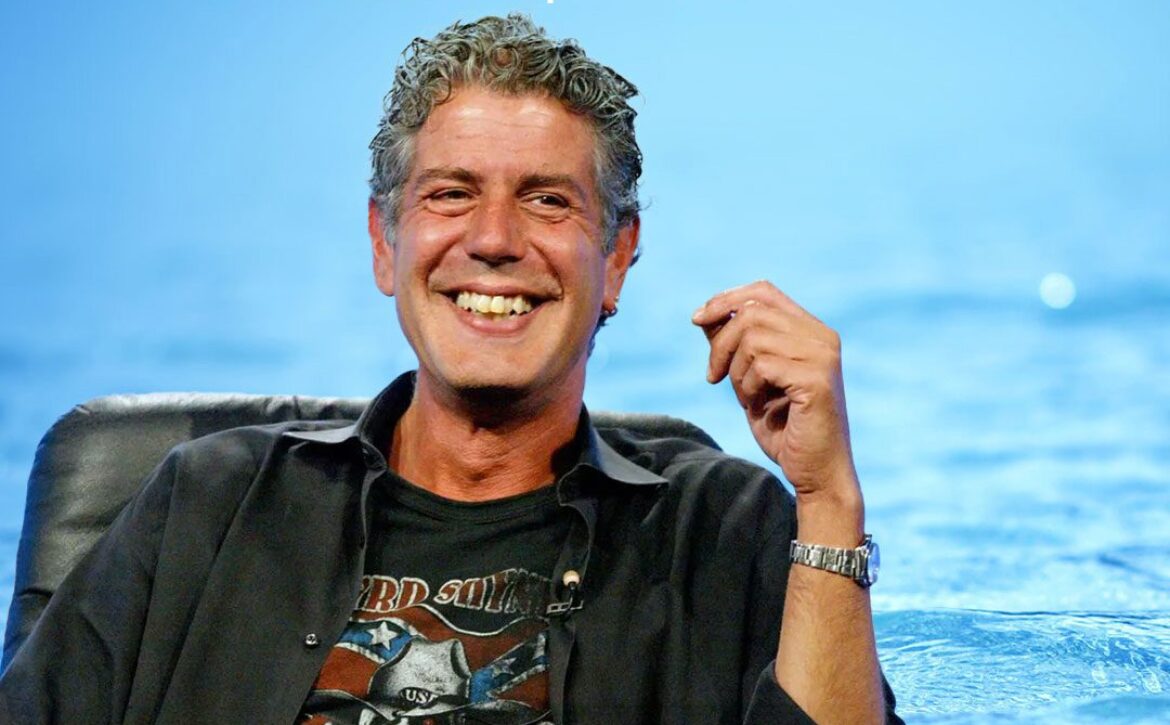
Today, many celebrities turn to sensory deprivation tanks to reduce stress and enhance mental calmness. One such figure was the world-renowned chef and traveler Anthony Bourdain. Bourdain often chose float therapy to escape the high-pressure stress of the culinary world, finding the tank experience highly impressive.

When Bourdain first tried a sensory deprivation tank, he found himself floating peacefully for an hour. After the session, he reported feeling relaxed, rejuvenated, and experiencing remarkable relief from his persistently aching back. However, the most striking aspects of his experience were the sensory changes he noticed afterward. Bourdain discovered that colors appeared more vivid and flavors more pronounced. Reds were brighter, blues deeper, and the taste of food more intense. He realized that his senses had sharpened, and food delivered a greater burst of flavor.

The effects of time spent in the sensory deprivation tank were not only physical but also mental. While floating in the tank, Bourdain described feeling as though he were on a journey through space and that his brain was spontaneously communicating in a different language. These experiences provided him not only with relief from stress but also with heightened awareness and mental clarity.

Bourdain’s accounts highlight how impactful sensory deprivation tanks can be on the human body and mind. These experiences are valuable not just for celebrities but for anyone seeking stress relief, mental rest, and enhanced sensory perception. Bourdain’s affinity for float tanks illustrates the difference such experiences can make in one’s life.

In conclusion, sensory deprivation tanks appear to be an extremely effective method for reducing stress and promoting mental calmness. Based on Anthony Bourdain’s experiences, float therapy positively affects not only physical health but also mental and emotional well-being. For many, float therapy provides a natural and effective escape from the pressures of daily life and stress.

Learn More

Randevu Talep Formu
1 Step 1
keyboard_arrow_leftPrevious
Nextkeyboard_arrow_right
FormCraft - WordPress form builder
Powered by