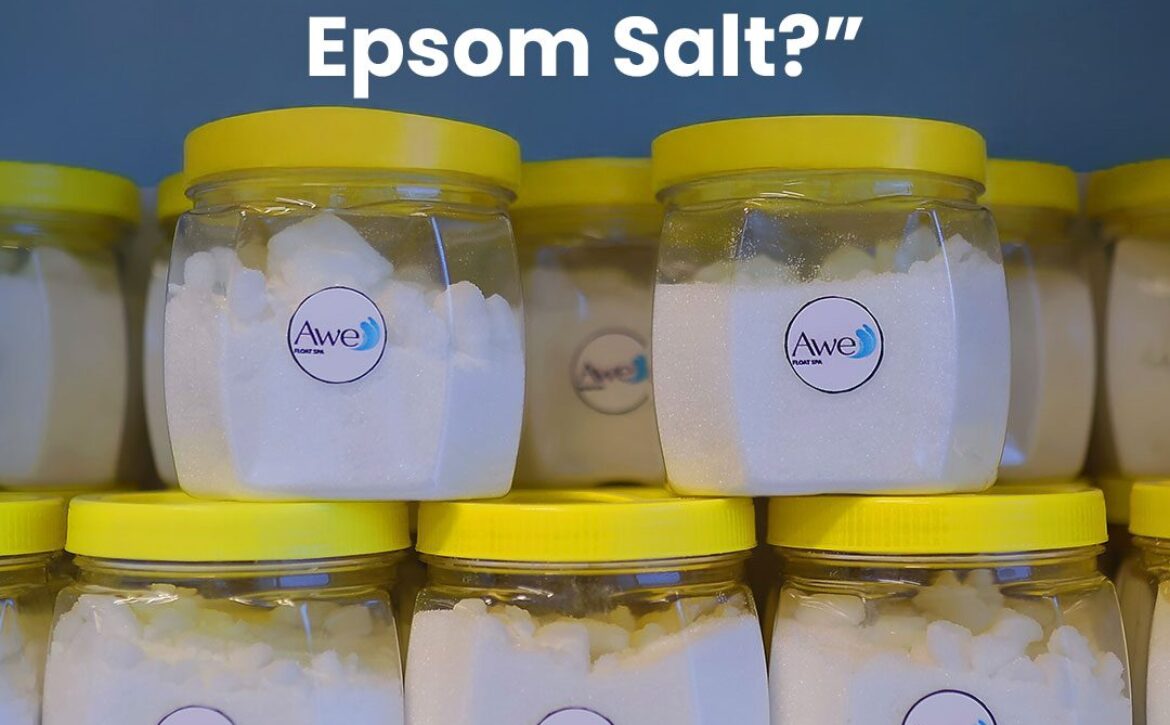
The Health Benefits of Epsom Salt

Epsom salt, a form of magnesium sulfate, offers a range of health benefits. The magnesium it contains is essential for many key functions in the body, and using Epsom salt can help support adequate intake of this vital mineral.

Muscle Tension and Pain Relief

  • Muscle Relaxation: An Epsom salt bath can help alleviate muscle tension and soreness, particularly after exercise or stressful days.

  • Transdermal Absorption: Magnesium from Epsom salt is absorbed through the skin, directly benefiting the muscles.

Nervous System and Mental Health

  • Stress Reduction: Magnesium has calming effects on the nervous system, making Epsom salt baths useful for reducing mental stress.

  • Sleep Support: Regular use may improve sleep quality and support overall mental well-being.

Skin Health

  • Anti-Inflammatory Effects: Epsom salt can help reduce inflammation, aiding in the treatment of skin conditions such as acne and psoriasis.

  • Moisture Balance: Helps maintain the skin’s natural moisture balance, leaving it soft and healthy-looking.

Headaches and Migraines

  • Headache Relief: Epsom salt may dilate blood vessels and calm the nervous system, helping to ease headaches.

  • Migraine Prevention: Regular use may reduce the frequency and severity of headaches.

Bone Health

  • Bone Strengthening: Epsom salt may support bone health and lower the risk of osteoporosis.

  • Mineral Balance: Helps regulate calcium and potassium in muscles, contributing to improved bone density.

Usage and Recommendations

  • Bath Application: Typically added to bathwater. Adding a measured amount of Epsom salt to a warm bath is sufficient.

  • Regular Use: Consistent use is recommended to maximize benefits.

  • Personal Tolerance: Since individual skin and body tolerance varies, first-time users should proceed cautiously and consult a healthcare professional if needed.

Epsom salt can provide a wide range of health benefits and is often chosen as a natural solution. However, it is important to consult a healthcare professional before using it as a primary treatment for any medical condition.
Learn More

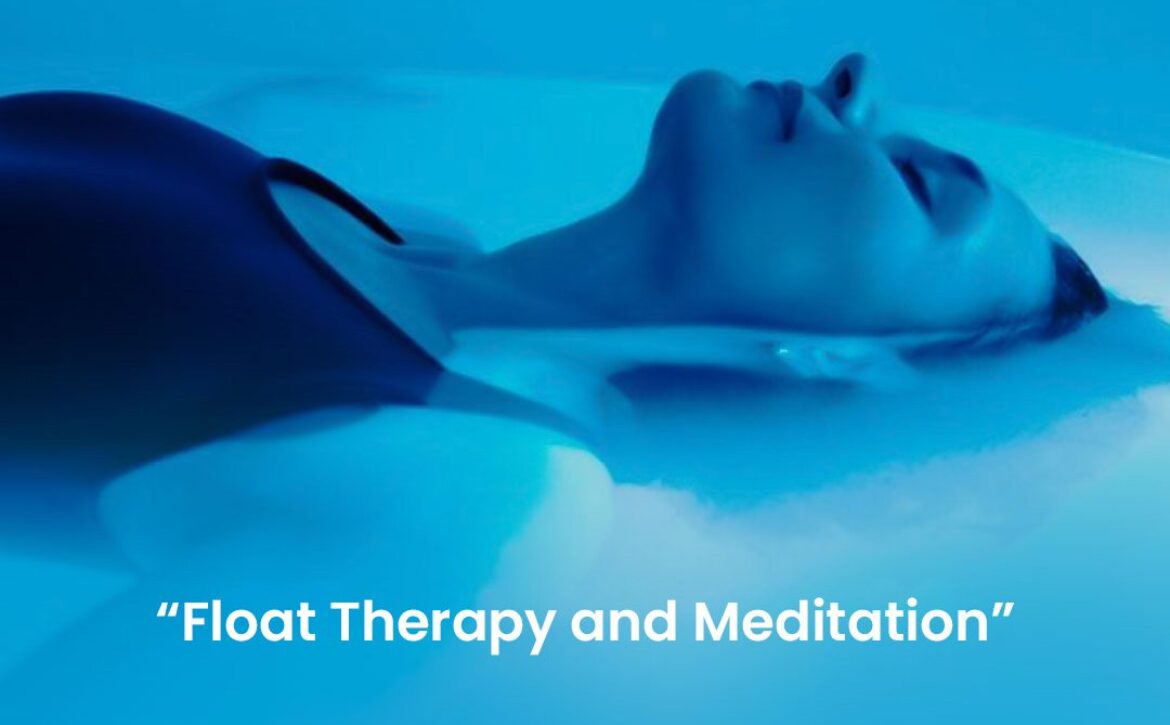
Float Therapy and Meditation

Stress, anxiety, and the challenges of daily life often lead individuals to seek methods for improving mental health and finding inner peace. Meditation, with its long-standing tradition, has recently been combined with float therapy to offer a novel experience.

Interaction Between Float Therapy and Meditation

  • Sensory Isolation and Inner Focus: Float therapy provides complete isolation from the external world, creating a quiet and secluded environment. This setting serves as an ideal foundation for meditation, facilitating mental focus and supporting the attainment of inner peace.

  • Mental Calmness: The zero-gravity environment helps the mind detach from external distractions. This promotes a meditative state and enhances mental calmness and clarity.

  • Deepening the Meditation Experience: The sensory isolation within float therapy allows individuals to engage more closely with their own thoughts and emotions. This enables a deeper and richer meditation experience.

  • Stress and Anxiety Reduction: Combining meditation with float therapy can effectively lower stress and anxiety levels. This duo provides mental and emotional relaxation, enhancing overall quality of life.

Application and Considerations

  • Personal Preferences and Suitability: The combination of float therapy and meditation may not be suitable for everyone. Individuals should consider their personal preferences and comfort levels before trying these practices.

  • Professional Guidance: Especially for specialized therapies like float therapy, professional guidance and consultation are important. Experts can offer tailored recommendations and ensure a safe and effective practice.

The integration of float therapy and meditation can serve as a powerful tool for enhancing mental and emotional well-being. This combination improves focus, deepens meditation, and contributes to overall inner peace.

Learn More

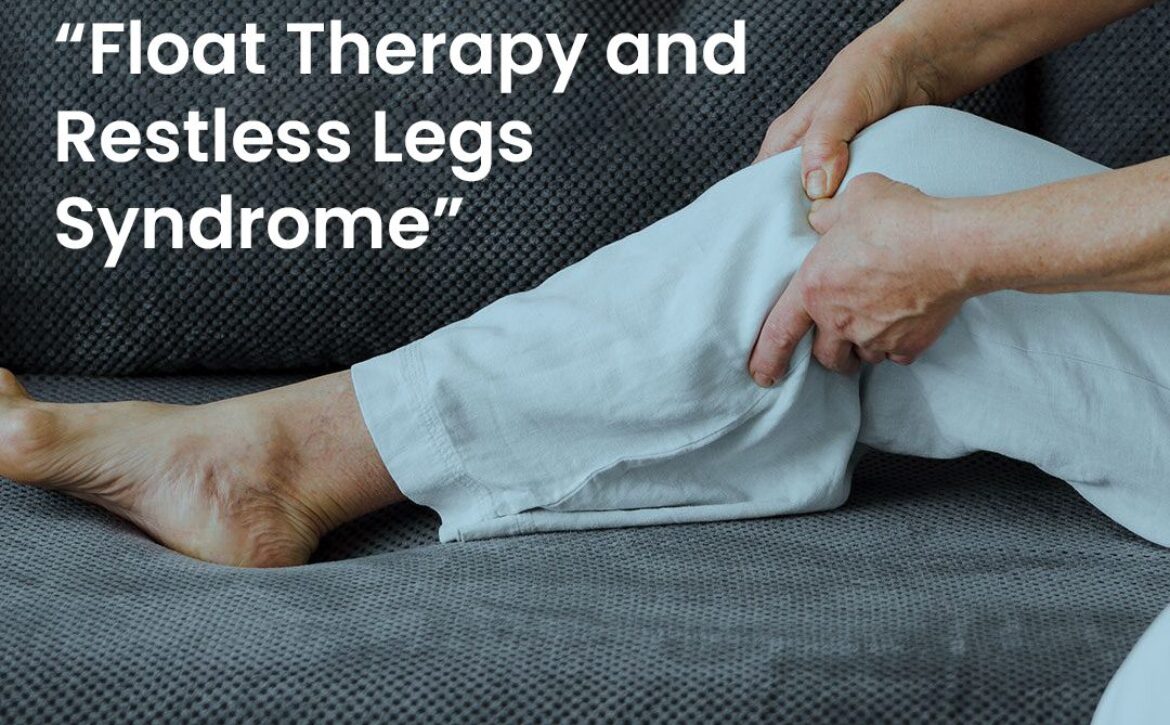
Float Therapy and Restless Leg Syndrome

Restless Leg Syndrome (RLS) is a condition characterized by uncomfortable sensations in the legs, tingling, or involuntary movements, often occurring throughout the night. This discomfort can reduce sleep quality and negatively impact overall life quality. Float therapy has emerged as an alternative method for managing symptoms of restless leg syndrome.

Float Therapy and Its Effects

  • Reduction of Muscle Tension: Float therapy reduces muscle tension through the combination of saltwater buoyancy and a zero-gravity environment. Since RLS symptoms are often linked to muscle tightness and discomfort, this benefit can significantly alleviate the condition’s effects.

  • Stress Reduction: RLS is associated with stress and tension. Float therapy helps lower stress levels through its relaxing effects, making it a useful complementary approach for RLS management.

  • Combating Sleep Disturbances: RLS can make it difficult to fall asleep or maintain sleep. Float therapy promotes deeper relaxation, which can improve sleep quality and duration.

Considerations

  • Individual Differences: The underlying causes of RLS are complex, and treatment needs vary by individual. While float therapy may help relieve symptoms, addressing root causes requires medical consultation.

  • Consultation with Healthcare Professionals: It is important to speak with a healthcare provider before beginning any treatment. The therapy plan should be tailored according to the individual’s health history and specific symptoms.

Float therapy can play a supportive role in alleviating symptoms of restless leg syndrome. However, as every individual’s condition is unique, this therapy may not be suitable for everyone. Consulting a healthcare professional beforehand ensures a treatment approach that aligns with personal needs and contributes to effective RLS management.

Learn More

Float Therapy and Insomnia Treatment

The stress and fast pace of modern life cause insomnia for many people. This condition can negatively affect both physical and mental health. Among alternative approaches to managing insomnia, float therapy has gained increasing attention.

What Is Float Therapy?

  • Definition: A relaxation-based therapy performed in a tank filled with saltwater, creating a sensation of zero gravity.

  • Environment: The individual experiences deep relaxation in an environment completely isolated from external stimuli.

Its Effects on Insomnia

  • Reducing Stress and Tension: Stress and tension are common causes of insomnia. Float therapy helps alleviate these emotional burdens and may improve sleep patterns.

  • Meditative Experience: By influencing brainwave activity, float therapy promotes a meditative state, which can be effective in reducing stress and supporting mental relaxation.

  • Physical Relaxation: The water helps reduce muscle tension, making it easier to transition into deeper sleep.

  • Breaking the Insomnia Cycle: By easing the difficulty of falling asleep, float therapy may help interrupt the recurring cycle of insomnia.

Points to Consider

  • Individualized Approach: Each individual’s needs are different, and the effects of the therapy may vary. Conditions such as sensitivity to enclosed spaces or water may require alternative treatments.

  • Approval from Healthcare Professionals: Individuals experiencing insomnia should consult a healthcare professional before starting therapy.

Float therapy may serve as a supportive option in the treatment of insomnia. However, since each individual’s situation is unique, those considering this therapy are advised to consult a healthcare professional to determine a treatment plan tailored to their personal needs. Float therapy can be evaluated as a complementary approach alongside conventional treatments and may contribute to overall well-being.

Learn More

Float Therapy and Anxiety: An Alternative Approach

In recent years, float therapy has gained prominence among individuals seeking ways to cope with emotional challenges such as stress, pressure, and anxiety. Particularly popular among those dealing with anxiety disorders, this therapy offers the opportunity for deep relaxation in an isolated environment. So, how is float therapy related to anxiety, and how does this therapy work?

What Is Float Therapy?

  • Environment: It provides an experience in a tank filled with saltwater that completely isolates users from the outside world and creates a sensation of zero gravity.

  • Experience: In a dark and silent environment, the body being supported by the water contributes to mental relaxation and muscle release.

Its Effects on Anxiety

  • Reducing Stress and Tension: It helps reduce persistent feelings of stress and tension. Floating in the water lowers muscle tension and calms the mind.

  • Changes in Brain Waves: Through a meditation-like experience, it alters brainwave activity, which can help reduce anxiety levels.

  • Mind–Body Connection: By decreasing physical tension, it alleviates physical symptoms associated with stress and anxiety.

  • Improving Sleep Quality: It may reduce sleep problems related to anxiety. Deeper and more restful sleep plays an important role in anxiety management.

A Personalized Approach

  • Individual Differences: The effects of the therapy may vary from person to person. For individuals who feel discomfort in enclosed spaces or water, alternative treatments should be considered.

Float therapy offers an alternative form of support for anxiety disorders. However, individual needs and conditions should be taken into account, and healthcare professionals should be consulted to create a personalized treatment plan. This therapy can be evaluated as a complement to conventional treatment methods and may contribute positively to overall well-being.

Learn More

Float Therapy: An Alternative Support Approach for Health Issues

Float therapy can be an important supportive method not only for stress and mental challenges, but also for individuals dealing with various health conditions. In this article, we will examine in detail the potential health benefits of float therapy.

Chronic Pain and Fibromyalgia

  • Pain Relief: The buoyancy effect of saltwater provides relief for individuals suffering from chronic pain.

  • Benefits for Fibromyalgia: In chronic pain conditions such as fibromyalgia, it can help alleviate symptoms and improve overall quality of life.

Rheumatoid Arthritis

  • Joint Relief: Float therapy helps relax the joints, reducing pain in individuals with rheumatoid arthritis.

  • Improved Mobility: By decreasing joint swelling, it can enhance overall mobility.

Migraine and Headaches

  • Pain Reduction: It helps relieve migraines and tension-related headaches caused by stress and muscle tightness.

  • Calming the Nervous System: The saltwater and silent environment soothe the nervous system, reducing pain intensity.

Sleep Disorders

  • Improved Sleep Quality: Float therapy helps regulate sleep patterns and promotes deeper, higher-quality sleep.

  • Effect on Insomnia: Individuals with insomnia and other sleep disorders may experience significant relaxation through regular sessions.

Anxiety and Depression

  • Mental Relaxation: Academic studies have shown that float therapy can be effective in reducing symptoms of anxiety and depression.

  • Inner Calm: The isolation tank provides an opportunity to achieve mental balance and engage with one’s inner thoughts.

Post-Traumatic Stress Disorder (PTSD)

  • Sensory Control: It may help individuals with PTSD regain control over sensory experiences.

  • Emotional Healing: The calm environment of the isolation tank can support emotional recovery.

Dermatological Conditions

  • Skin Health: Saltwater may support skin health and help alleviate certain skin conditions.

  • Eczema and Other Conditions: Individuals with eczema and similar skin disorders may find relief from symptoms.

Float therapy can be considered an alternative supportive approach for various health concerns. However, since each individual’s health condition is unique, it is important to consult healthcare professionals before beginning treatment. Float therapy may be viewed as part of a holistic health and wellness approach, offering potential benefits across a wide range of conditions.

Learn More

The Benefits of Float Therapy for Athletes: A Silent Journey to Peak Performance

In high-performance sports, physical and mental health are among the fundamental pillars of success. Stress management, muscle recovery, and mental focus play a critical role in helping athletes reach peak performance. In this context, float therapy stands out as an effective method that can support athletes in maximizing their potential during training and competition.

Stress Reduction and Mental Preparation

Stress Management: Float therapy helps athletes manage high stress levels. The isolation experience inside the tank promotes mental release and strengthens mental preparation before or after competition.
Mental Readiness: This therapy enhances athletes’ ability to cope with stress and improves mental preparedness, allowing them to remain calmer and more focused during competition.

Muscle and Joint Relaxation

Reduction of Muscle Tension: The saltwater environment relaxes muscles and joints, particularly after intense training sessions, reducing muscle tension and accelerating recovery.
Reduced Risk of Injury: Relaxation of muscles and joints lowers the risk of injury and helps athletes maintain long-term physical health.

Focus and Performance Enhancement

Mental Clarity: Float therapy improves mental focus and clarity, enabling athletes to perform at a higher level during training and competitions.
Goal-Oriented Focus: The quiet environment of the isolation tank promotes mental clarity and allows athletes to concentrate more effectively on their goals.

Rebalancing Fatigue and Energy Levels

Fatigue Reduction: Post-training fatigue can be alleviated through float therapy.

Learn More

Float Therapy: An Effective Solution Against the Stress and Challenges of Modern Life

Today’s fast-paced and stress-filled lifestyle has significant effects on both our mental and physical health. Work-related stress, demanding daily routines, and ever-increasing life challenges make it difficult for many people to find peace and balance. In this context, innovative approaches such as float therapy offer hope to those seeking mental and physical relaxation.

What Is Float Therapy?

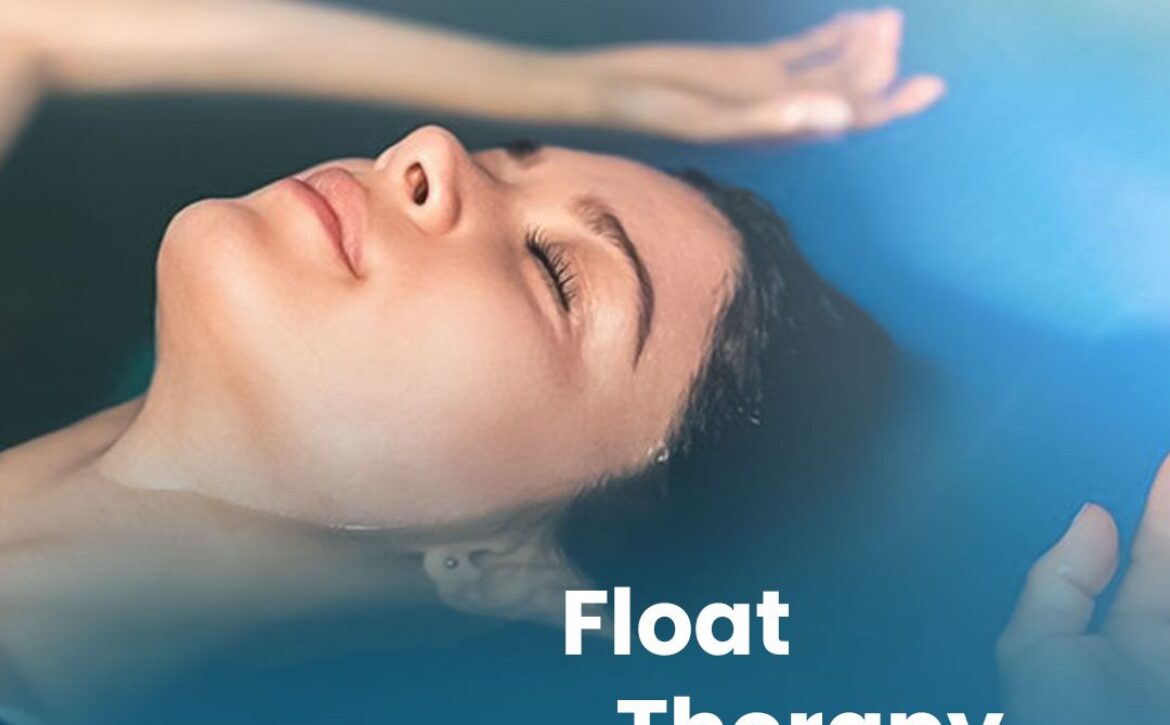
Float therapy, also known as sensory deprivation therapy, is a specialized experience performed in a tank filled with water containing a high concentration of salt. This unique environment creates a space of calm and tranquility by isolating the individual from external stimuli.

How Does Float Therapy Work?

Isolation from External Stimuli: The float tank blocks sounds, light, and other external inputs, allowing both the mind and body to relax deeply.
Floating Sensation: The saltwater in the tank supports the body, reducing the effects of gravity. This helps release physical tension and calm the mind.
Meditative Atmosphere: The serene and peaceful environment of the float tank promotes a meditative experience, enhancing mental clarity and the ability to focus.

Benefits of Float Therapy

Stress Reduction: The isolated environment and floating sensation significantly help lower stress levels.
Mental Clarity and Focus: The meditative atmosphere enhances mental clarity and strengthens concentration.
Physical Relaxation: By minimizing the effects of gravity, muscle tension and bodily aches are reduced.
Enhanced Creativity: The quiet and calm setting encourages creative thinking.

Who Is Float Therapy Suitable For?

Float therapy appeals to a wide range of individuals for purposes such as stress management, mental and physical relaxation, enhanced creativity, and meditation.

Float therapy offers an effective solution for coping with the stress and challenges of modern life. By supporting both mental and physical well-being, it provides an experience that enhances overall quality of life. With benefits such as stress relief, improved focus, creativity, and deep relaxation, float therapy is becoming increasingly popular today.

Learn More

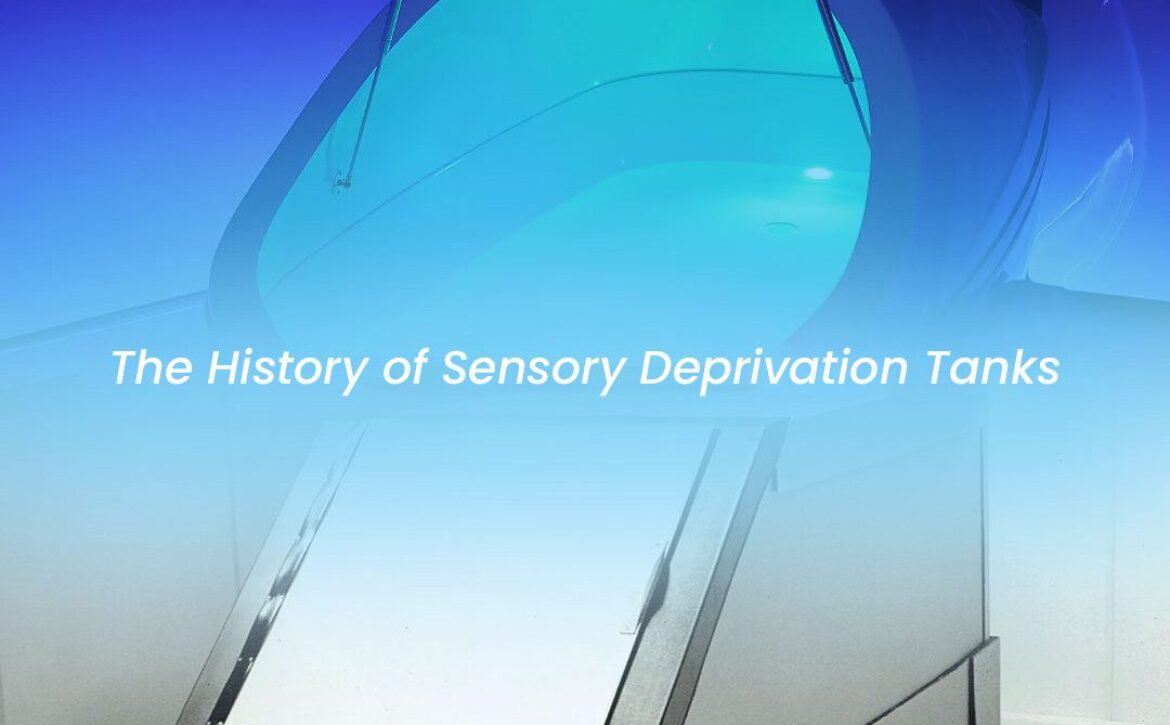
The History of Sensory Deprivation Tanks: John C. Lilly’s Revolutionary Discovery

In the 1950s, neuroscientist John C. Lilly, driven by a deep quest to understand human consciousness, developed an unconventional method to illuminate how the brain works: sensory deprivation tanks. This innovative approach challenged the dominant theories of perception of the time and introduced a new perspective on mental experience and humanity’s interaction with the external world.

John C. Lilly and the Birth of Sensory Deprivation Tanks

An Innovative Approach: Challenging the prevailing theories of his era, Lilly questioned the brain’s dependence on external stimuli.
Early Experiments and Discoveries: In 1954, Lilly discovered that he could effectively isolate individuals from external stimuli through water immersion. This created an opportunity to focus the mind on its internal processes and reveal the brain’s true potential.
The First Sensory Deprivation Tank: In 1954, Lilly developed the first sensory deprivation tank. This tank consisted of a specially designed capsule filled with saltwater, allowing the individual to float effortlessly on the surface and experience deep relaxation.

The Impact of Sensory Deprivation Tanks

Isolation and Inner Experience: Lilly’s design completely isolated individuals from the outside world, enabling them to focus their mental and emotional experiences inward.
Mental and Physical Relaxation: Inside the tank, people could experience a profound sense of weightlessness, entering a state of deep mental and physical relaxation.
Inner Peace and the Search for Meaning: Sensory deprivation tanks introduced a new dimension to the pursuit of inner peace and meaning.

Modern Applications and Awe Float

Refined Concepts: Modern centers such as Awe Float have expanded upon Lilly’s original idea, offering a unique experience tailored to contemporary needs.
Diverse Areas of Use: These tanks are used for stress relief, meditation, enhanced creativity, and physical relaxation.
Growing Popularity: The revolutionary approach initiated by Lilly continues to gain increasing popularity across health, sports, and personal development fields.

John C. Lilly’s bold and innovative discovery marked the beginning of a new era in understanding human consciousness through the development of sensory deprivation tanks. By isolating individuals from the external world, these tanks allow for deep exploration of mental and emotional experiences. Modern applications like Awe Float continue to evolve this pioneering concept, offering transformative and uniquely immersive experiences.

Learn More

Randevu Talep Formu
1 Step 1
keyboard_arrow_leftPrevious
Nextkeyboard_arrow_right
FormCraft - WordPress form builder
Powered by